
The Los Angeles Homeowner's Checklist Before Starting a Landscape Construction Project
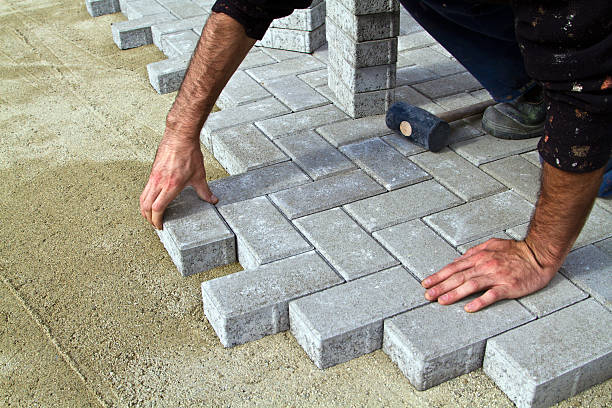
A landscape construction project is a significant investment — financially, logistically, and in terms of the daily impact it has on your property and your family during the construction period. Homeowners who start the process prepared consistently have better experiences and better outcomes than those who jump in without the basic groundwork done. This checklist covers everything you should address before signing a contract with any landscape construction company in Los Angeles.
Part One: Know What You Want Before the First Conversation
Define the primary problem you are solving. Is it a lawn that never looks right? No usable outdoor living area? No shade? Privacy issues? Poor drainage? Knowing the specific problem clarifies the solution.
Define how you want to use the finished space. Daily family use with children and pets requires different design decisions than a space primarily used for adult entertaining. The clearer you are about intended use, the better the design.
Have a rough idea of the style you are drawn to. Modern and clean? Warm and naturalistic? California coastal? Even a general sense of the aesthetic helps a design team develop something appropriate.
Know your approximate budget range. Not a precise number — a general range. This allows any contractor you speak with to propose something realistic rather than something that will require significant downward revision.
Think about your timeline. When do you want the project started and completed? Is there a specific event or season driving the timeline?
Part Two: Research Before You Call
Look at completed landscape projects in your neighborhood. What do the properties you find most appealing have in common? What materials, plants, and design approaches appear consistently in the outdoor spaces that appeal to you?
Research the basic costs for the services you are considering. Understanding realistic cost ranges for concrete patios, artificial turf, and patio covers in Los Angeles prevents sticker shock and allows you to evaluate proposals against the market rather than in a vacuum.
Understand the permit requirements for what you want to build. Patio covers require permits in most Los Angeles jurisdictions. Retaining walls above certain heights require permits and engineering. Knowing this before the first conversation ensures you ask the right questions about permit handling.
Research any HOA requirements if your property is governed by one. Some communities have specific rules about fence heights, material choices, and structure setbacks that must be incorporated into any landscape design.
Part Three: Evaluating Contractors Before You Commit
Get at least two or three proposals from qualified contractors. Compare them on equivalent scope — make sure each proposal covers the same elements, the same materials, and the same site conditions before comparing the numbers.
Verify the contractor's license. Check any California landscape contractor's license status at the CSLB website (cslb.ca.gov) before committing to any work. Ask for the license number during the first conversation and verify it independently.
Ask for and review completed project photos. Request photos of completed projects similar in scope and style to yours, in Los Angeles neighborhoods comparable to your own. Evaluate the quality of the finished work specifically — edges, seams, alignment, surface consistency.
Read reviews with attention to specific details. Look for reviews that mention the quality of communication, the condition of the job site during construction, whether the finished result matched what was discussed, and whether the cost came in as quoted. These specifics are far more informative than generic praise.
Ask how permits are handled. Any contractor who does not handle permits as a standard part of the scope for work that requires them is transferring risk to you. Confirm permit handling explicitly before signing.
Ask who your day-to-day point of contact will be. Knowing who to call with questions during construction — and whether that person will be responsive — prevents the communication frustration that makes contractor relationships difficult.
Ask specifically about the base preparation process for turf and concrete. The quality of the base determines how the finished surface looks and performs for its entire lifespan. A contractor who can describe their base preparation process in specific detail is demonstrating the knowledge that quality results require.
Get everything in writing before any work begins. A detailed written proposal covering complete scope, specific materials, timeline, payment schedule, and permit responsibility is the baseline protection for any homeowner entering a landscape construction contract.
Part Four: During the Project
Conduct a brief walkthrough at the beginning of each new construction phase. Before concrete is poured, confirm the layout matches the approved design. Before turf is installed, confirm the base preparation is complete. These brief checkpoints prevent assumptions from becoming expensive corrections.
Communicate any concerns immediately rather than waiting. If something during the construction does not look right or does not match what was discussed, raise it with your point of contact immediately. Minor concerns addressed in real time are far easier to resolve than issues discovered after a phase is complete.
Expect the job site to be clean at the end of every workday. This is a professional standard, not a special request. If it is not being maintained, address it directly with the project contact.
Keep records of all project communications. Save written correspondence, approvals, and any changes to the original scope in documented form. These records protect you if any disputes arise about what was agreed to.
Part Five: Final Walkthrough and Project Completion
Walk every element of the finished project before signing off. Inspect concrete surfaces for drainage, edge quality, and surface consistency. Inspect turf seams, edges, and infill distribution. Review patio cover alignment, trim finish, and any electrical installations. Check that planting is installed at the specified locations and that the site is clean and complete.
Confirm that permits are finalized and inspection sign-offs are documented. Any permitted work should have a completed building department inspection record. Ask for copies of permit documentation before closing the project.
Document the finished result with photographs. Date-stamped photos of the completed project provide baseline documentation that is useful for insurance purposes, future contractor work, and eventual property sale.
Stonewood Landscape: Transparent, Professional Landscape Construction Across Los Angeles
Stonewood Landscape manages every project to the standards described in this checklist — transparent communication, detailed written proposals, permits handled as standard practice, clean job sites throughout, and final walkthroughs that confirm the finished result meets every specification. As a family-owned landscape design and construction company serving Culver City, Santa Monica, Beverly Hills, Encino, and Pacific Palisades, Stonewood makes the landscape construction process as clear and stress-free as the project outcome is beautiful.

Prepared homeowners have better projects. This checklist is the starting point.
Visit stonewoodlandscapeinc.com to request your free estimate and start your Los Angeles landscape construction project the right way.


