
Stamped Concrete Patios in Los Angeles: Is It Worth It?
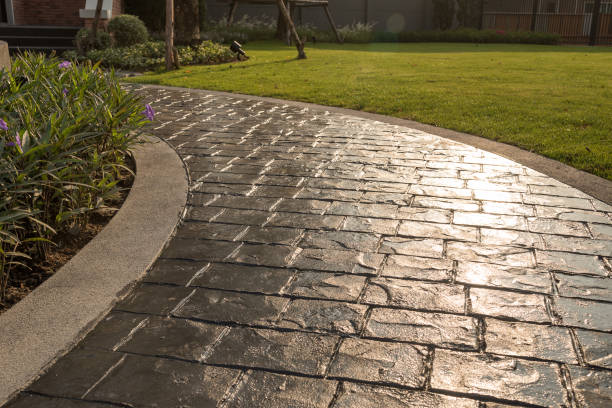
Stamped concrete is one of the most consistently asked-about patio surface options among Los Angeles homeowners — and for understandable reasons. The promise is compelling: the visual richness of natural stone, tile, or brick, achieved at significantly lower cost by pressing patterns into wet concrete during installation. For homeowners who want a decorative patio surface without the premium price of natural materials, stamped concrete seems like an obvious answer.
But stamped concrete is also one of the most misunderstood patio options in the Los Angeles market. Done well, it is genuinely beautiful and long-lasting. Done poorly — or chosen for the wrong reasons, or maintained incorrectly — it can look dated within a few years and create maintenance obligations that standard concrete does not. This guide gives Los Angeles homeowners a complete, honest assessment of stamped concrete so the choice is made with clear expectations rather than marketing language.
What Is Stamped Concrete?
Stamped concrete is poured concrete that has decorative patterns pressed into the surface during the finishing phase — before the concrete has fully cured. Metal or polyurethane stamps are pressed systematically across the surface to create patterns that mimic the appearance of stone, brick, slate, tile, cobblestone, or other materials. Color is typically added through integral pigment in the concrete mix, surface-applied color hardener, or a combination of both, with accent colors often applied by hand to deepen the visual effect.
The stamps create both the pattern geometry and the surface texture — the combination of which determines how convincingly the finished surface mimics the material it is designed to resemble. High-quality stamps and skilled application produce results that are genuinely attractive and that hold up well over time. Cheaper stamps and unskilled application produce results that look noticeably artificial within a few seasons.
Where Stamped Concrete Works Well in Los Angeles
Traditional and Mediterranean Architectural StylesStamped concrete is most at home on Los Angeles properties with traditional, Mediterranean, Spanish Colonial, or craftsman architectural character — homes where the warm, textured quality of a stone or tile-patterned surface is architecturally appropriate and where the alternative would genuinely be natural stone or tile rather than standard concrete. A stamped concrete patio that reads as a warm terracotta tile pattern works beautifully alongside a Spanish Colonial home. A slate-pattern stamped concrete complements a Craftsman or traditional property in a way that smooth gray concrete cannot.
For modern and minimalist Los Angeles homes, standard concrete — in smooth or lightly textured finishes — typically produces a more architecturally appropriate result than stamped concrete, whose decorative quality can feel at odds with the restrained visual language of contemporary design.
Larger Patio Areas Where Budget Is a Significant ConstraintOn larger patio areas where the cost of natural stone or high-end pavers would be prohibitive, stamped concrete delivers meaningful decorative quality at a cost that is often 30 to 50 percent lower than natural alternatives. For homeowners who genuinely want a decorative surface and cannot afford natural stone at the scale they need, stamped concrete is a legitimate and sometimes excellent solution.
Properties Where the Patio Photographs Well for Events or ResaleStamped concrete photographs beautifully — the pattern and color create visual interest that plain concrete does not, and the surface quality reads as premium in listing photos and event photography. For Los Angeles homeowners who are landscaping for resale or planning to host events, a well-executed stamped concrete patio creates stronger photographic impressions than standard finishes.
Where Stamped Concrete Requires Careful Consideration
Slip Resistance ConsiderationsMany stamped concrete patterns create smoother or more regular surfaces than broom-finished concrete, which can reduce slip resistance when wet. For Los Angeles homeowners with children, elderly family members, or pool-adjacent patios where the surface is frequently wet, confirming that the stamped finish specified provides adequate traction in wet conditions is essential. A non-slip sealer or textured broadcast layer applied over the stamped surface can address this concern without changing the decorative quality significantly.
Maintenance RequirementsStamped concrete requires more ongoing maintenance than standard concrete. The sealant applied over stamped concrete — which protects the color and the surface pattern from UV fading and wear — needs to be reapplied periodically, typically every two to five years depending on sun exposure and foot traffic. Sealer application requires cleaning the surface, allowing it to dry completely, and applying the sealer product according to manufacturer specifications. This is not a major undertaking, but it is real ongoing maintenance that standard concrete does not require to the same extent.
Resealing when the sealant begins to wear — evidenced by reduced color vibrancy, a dull or dry surface appearance, or color fading — is important both aesthetically and for long-term surface protection. Letting the sealant wear out completely before reapplication allows the surface to begin fading and potentially staining in ways that are harder to reverse.
Crack VisibilityAll concrete develops cracks over time through seasonal thermal cycling and minor ground movement. In standard concrete, cracks appear as gray lines against a gray surface — visible but not dramatically so. In stamped and colored concrete, cracks interrupt the pattern and may be more visually prominent against the colored surface. This is not a reason to avoid stamped concrete, but it is something to understand going in — and a reason to ensure that the base preparation and expansion joint placement for a stamped concrete patio are done carefully by an experienced contractor.
Quality of Application Matters EnormouslyThe quality difference between a well-executed stamped concrete patio and a poorly executed one is significant and visible for the life of the surface. Stamp alignment, color consistency, the accuracy of pattern registration, and the quality of the final sealer application all affect how the finished surface looks — immediately and over time. Stamped concrete is not a job to assign to the lowest bidder. The labor skill involved is meaningful, and the difference shows.
Stamped Concrete Cost in Los Angeles
Stamped concrete patio installation in Los Angeles typically costs between $18 and $35 per square foot installed, depending on the complexity of the pattern, the number of colors, the quality of the stamps used, and the contractor's experience and skill level. For a 400 to 600 square foot patio, expect to invest between $7,000 and $21,000. More elaborate designs with multiple patterns, hand-applied accent colors, or custom border work can run higher.
Standard broom-finished concrete, by comparison, typically costs $12 to $20 per square foot. The premium for stamped work reflects the additional labor, materials, and skill involved.
Stonewood Landscape Installs Stamped Concrete Patios Across Los Angeles
Stonewood Landscape installs stamped concrete patios for homeowners throughout Los Angeles, including Culver City, Santa Monica, Beverly Hills, Encino, and Pacific Palisades. As a family-owned landscape design and construction company with over 10 years of experience and more than 500 completed projects, Stonewood brings the skill and quality standards that stamped concrete requires to every installation.

Stamped concrete can be one of the most beautiful patio surfaces available in Los Angeles — when it is done right. Stonewood Landscape does it right.
Visit stonewoodlandscapeinc.com to request your free estimate and find out if stamped concrete is the right choice for your Los Angeles patio.


