
New Home Landscaping in Los Angeles: Where to Start and What to Prioritize
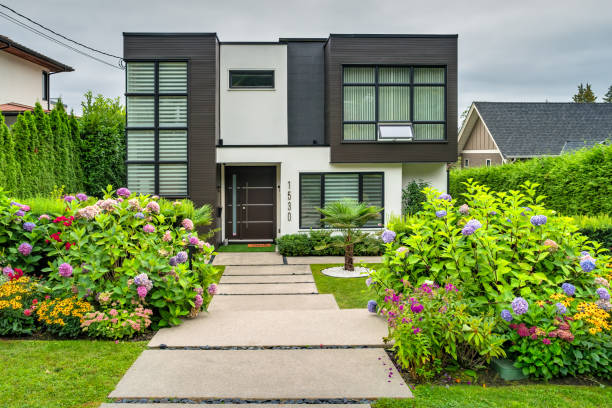
Buying a new home in Los Angeles is one of the most exciting things you can do — and one of the most overwhelming. There is so much to address, update, and personalize, and the outdoor space often lands at the bottom of the list even though it is one of the most visible and most-used parts of the property. For new Los Angeles homeowners who want to get their outdoor space right from the start — rather than tolerating a yard that has never worked and renovating it years later — starting with a smart plan makes all the difference.
This guide is written specifically for new homeowners in Los Angeles who are approaching their outdoor space as a fresh opportunity. It covers where to start, what to prioritize, what questions to ask, and how to make decisions that set up your outdoor space for years of enjoyment rather than years of regret.
Why New Homeowners Have the Best Opportunity for Great Landscaping
When you move into a new Los Angeles home, you have something that existing homeowners with established outdoor spaces do not: a blank slate and a clear-eyed view of what the yard is and is not doing. You are not emotionally attached to existing plantings that are not performing, or to a concrete slab that is the wrong size, or to a layout that was never quite right. You can evaluate the outdoor space objectively and make design decisions without the constraint of working around existing investments that are difficult to remove.
This is the best possible starting position for creating a great outdoor space. The homeowners with the outdoor spaces they love most in Los Angeles are overwhelmingly those who started with a clear vision and executed it thoughtfully rather than adding elements piecemeal over years without an overall plan.
Step One: Live in the Space Before You Build
One of the most valuable things a new Los Angeles homeowner can do before commissioning a landscaping project is to spend time in the outdoor space as it is — ideally through different times of day and different seasons — to understand how sun exposure, wind, and sight lines actually work on that specific property. Before you know what to build, you need to understand what you are building for.
Spend mornings and afternoons outside. Notice where the sun is intense and where there is natural shade. Notice where views from neighboring properties create discomfort. Notice which areas of the yard you naturally gravitate toward and which ones you avoid. Notice where you wish there was a patio, where you wish there was shade, and where the existing layout simply does not make sense for how you want to live.
This observational period does not need to be long — even a few weeks of conscious attention to how the outdoor space functions gives you a significantly better brief for your landscape designer than a list of features you have seen in magazines.
Step Two: Define Your Outdoor Living Priorities
Every new Los Angeles homeowner has different outdoor living priorities, and the most successful landscaping projects are those built around a clear, honest understanding of what those priorities actually are.
If outdoor entertaining is central to your lifestyle, the primary investment should go into a generous concrete patio, a quality patio cover for year-round shade and comfort, and landscape lighting that makes the space beautiful and usable in the evenings.
If low maintenance is the overriding priority — you want a beautiful outdoor space that does not consume your weekends — artificial turf, concrete hardscape, drought-tolerant planting, and drip irrigation on a timer are the building blocks of a yard that looks great with minimal ongoing effort.
If you have children or pets, safety, durability, and easy-clean surfaces take priority — artificial turf, rounded concrete edges, raised planting beds out of reach, and shade for hot Los Angeles afternoons.
If curb appeal and property value are the primary concern, the front yard deserves the first and most significant investment — artificial turf or drought-tolerant planting, a fresh concrete walkway, clean defined planting beds, and quality landscape lighting.
Most homeowners have multiple priorities, and a good landscape design balances them thoughtfully. But knowing which priorities lead the brief produces a better design than trying to address all of them equally.
Step Three: Start With the Highest-Impact Elements
For new Los Angeles homeowners who cannot tackle the entire outdoor space at once — which describes most people — prioritizing the highest-impact elements first produces the best result per dollar invested.
The front yard creates the first impression of the home every single day and for every visitor. If the existing front yard is outdated, water-hungry, or simply unpleasant, addressing it first delivers daily visual benefit and strong curb appeal improvement at a relatively accessible cost.
The primary backyard patio and cover, if not already present, is the second highest-priority investment for most Los Angeles homeowners. It creates the usable outdoor living surface that anchors everything else in the yard and dramatically increases how much the outdoor space is actually used from day one.
Artificial turf comes next — eliminating the maintenance burden and visual inconsistency of natural grass and creating a uniform, beautiful ground plane for the remainder of the outdoor space.
Planting, lighting, and detail work can follow in subsequent phases without compromising the quality of what is built first.
Step Four: Work With a Design-Build Landscaping Company From the Start
New homeowners who invest in a proper landscape design from the beginning — rather than making ad hoc improvements over time — consistently end up with better outdoor spaces at lower total cost. A landscape design developed for the whole property from the start creates a unified vision that every subsequent phase can build toward, prevents improvements in one area from conflicting with future plans in another, and ensures that drainage, grading, and utility considerations are addressed once correctly rather than repeatedly.
A design-build company that handles both the landscape design and the construction — like Stonewood Landscape — gives you the additional advantage of a plan that is developed with full knowledge of construction realities, material costs, and site-specific conditions.
How Much Should New Los Angeles Homeowners Budget for Landscaping?
Landscaping budget guidance for new Los Angeles homeowners depends entirely on the size of the property and the scope of improvements desired. A reasonable working framework for initial outdoor space investment is allocating somewhere between two and five percent of the home's purchase price to landscaping in the first few years of ownership. On a $1 million Los Angeles home, this suggests an initial landscaping budget of $20,000 to $50,000 — a range that accommodates a focused high-impact project without requiring a comprehensive whole-property transformation in year one.
The right number for your specific situation depends on the condition of the existing outdoor space, your priorities, and your timeline. A free on-site consultation with a qualified landscape company gives you a clear picture of what is possible within your budget.
Stonewood Landscape Helps New Homeowners Start Strong
Stonewood Landscape works with new homeowners throughout Los Angeles — including Culver City, Santa Monica, Beverly Hills, Encino, and Pacific Palisades — who want to build their outdoor space right from the beginning. As a family-owned landscape design and construction company with over 10 years of experience and more than 500 completed projects, Stonewood helps new Los Angeles homeowners make smart, well-informed landscaping decisions that they will be satisfied with for years.

You bought the right home. Now build the outdoor space it deserves.
Visit stonewoodlandscapeinc.com to request your free estimate and start your new home landscaping project with a team that will help you get it right from day one.


