
Landscaping in Los Angeles County: A Guide for Homeowners
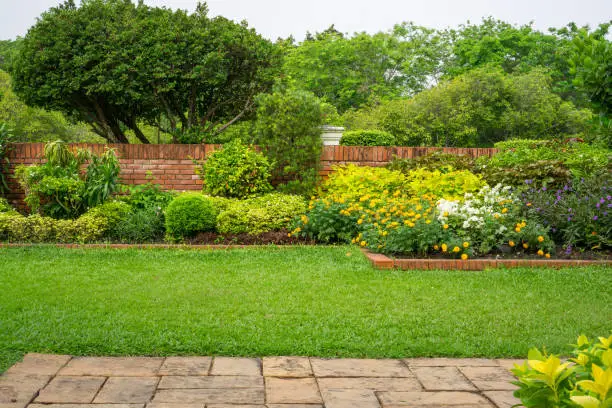
Los Angeles County is one of the most diverse residential landscapes in the United States — not just in terms of culture and architecture, but in terms of the physical properties that define where and how people live. A hillside property in Pacific Palisades and a flat suburban lot in Culver City are both in Los Angeles County, but they present completely different landscaping challenges and opportunities. A dense urban neighborhood in Santa Monica and a larger lot in Encino call for different design approaches, different plant palettes, and different construction considerations.
Understanding the landscaping landscape of Los Angeles County means understanding that there is no single right answer for every property. Great landscaping in this county is always site-specific — designed and built for the particular combination of climate zone, lot size, soil conditions, water access, architectural character, and neighborhood context that defines each individual property. This guide provides a county-wide perspective on residential landscaping in Los Angeles, covering the factors that shape project decisions across the region.
The Climate Diversity of Los Angeles County
Los Angeles County spans a remarkable range of climate conditions within a relatively compact geographic area. This climate diversity is one of the most important factors in residential landscaping across the county, and it affects everything from plant selection to irrigation strategy to shade structure design.
Coastal ZoneThe coastal zone — including Santa Monica, Pacific Palisades, and areas close to the ocean — features the mildest summer temperatures in the county, moderated by marine influence. Summer afternoons are warm but rarely extreme. Morning fog is common for much of the year. Salt air influences material selection for outdoor structures, favoring corrosion-resistant aluminum and sealed wood over untreated metal. Drought-tolerant planting that tolerates the coastal fog and moderate temperatures performs best in this zone.
Inland Valley ZoneEncino and other San Fernando Valley communities represent the inland valley climate zone — significantly hotter and drier in summer than coastal areas, with temperatures routinely 10 to 20 degrees higher than coastal neighborhoods on summer days. This climate demands genuine shade infrastructure for any outdoor space intended for summer use, heat-tolerant plant selections, and efficient irrigation for any species that requires supplemental water. The inland valley is where patio covers transition from an enhancement to a necessity for practical outdoor living.
Mid-Range Transition ZoneAreas like Beverly Hills, Culver City, and many other inland but not Valley-adjacent communities occupy a transitional climate zone — warmer than the coast, cooler than the Valley, with moderate summer conditions that still benefit significantly from shade structures. This is the broadest climate zone in the county and encompasses the most diverse range of residential property types.
Soil Conditions Across Los Angeles County
Soil conditions in Los Angeles County vary considerably across the region and have significant implications for landscaping projects — particularly drainage, plant establishment, and the performance of hardscape over time.
Clay-Heavy SoilsHeavy clay soils are common across much of central and western Los Angeles, including many properties in Culver City, Beverly Hills, and parts of Santa Monica. Clay soils retain water and drain slowly, which creates challenges for plant root development and for hardscape surfaces if drainage is not properly designed. Professional landscaping in clay-soil areas always includes drainage planning as a foundational step.
Sandy and Decomposed Granite SoilsProperties in hillside areas and parts of the San Fernando Valley often feature sandier, more free-draining soils that support plant establishment well but may require amended soil in planting beds to support the organic matter content that drought-tolerant plantings need.
Expansive SoilsSome areas of Los Angeles County have soils with significant clay mineral content that causes them to expand when wet and contract when dry — a condition called expansive soil that can cause foundation movement and hardscape cracking if not accounted for in the construction of patios and walkways. A knowledgeable Los Angeles landscape contractor identifies expansive soil conditions during the site assessment and designs the hardscape base and reinforcement appropriately.
Water Conservation Requirements Across Los Angeles County
Water conservation is a county-wide priority in Los Angeles, but the specific requirements and incentive programs available to homeowners vary by water agency. Properties served directly by LADWP, by the Metropolitan Water District, or by local water districts each have access to different rebate programs and face different tier pricing structures that affect the financial calculus of irrigation decisions.
Across the county, the direction is consistent: reduce outdoor water use, replace high-water turf with drought-tolerant alternatives, and design irrigation systems that deliver water efficiently rather than wastefully. Artificial turf replacement, drought-tolerant planting, and drip irrigation conversion are the three most broadly supported water-reduction strategies for residential properties throughout Los Angeles County, supported by rebate programs from multiple agencies.
Common Landscaping Projects Across Los Angeles County Communities
Regardless of which specific Los Angeles County community a property is located in, the most commonly requested landscape design and construction services share remarkable consistency. Concrete patio installation is the most universal — every community in the county includes homeowners who want a clean, durable outdoor living surface. Artificial turf installation follows closely — the combination of water conservation priorities and maintenance practicality makes it the preferred lawn alternative county-wide.
Patio covers are the third most consistent service — from the shade-critical Valley to the comfort-enhancing coastal neighborhoods, covered outdoor spaces are in demand throughout the county. Drought-tolerant planting, landscape lighting, and comprehensive backyard transformations round out the services that appear on project lists from Santa Monica to Encino and everywhere in between.
Choosing a Landscaping Company That Serves Your Los Angeles County Community
The best landscape companies serving Los Angeles County are those with demonstrated experience across the specific communities and climate zones they work in. A company that primarily works in one neighborhood may not be the right choice for a project in a climate or neighborhood context they are less familiar with. The most capable landscape design and construction companies in the county have a portfolio of completed projects across diverse Los Angeles communities — demonstrating that their design sensibility, plant knowledge, and construction skills translate across the range of conditions the county presents.
Stonewood Landscape: Serving Los Angeles County Homeowners
Stonewood Landscape is a family-owned landscape design and construction company serving homeowners across Los Angeles County, including Culver City, Santa Monica, Beverly Hills, Encino, and Pacific Palisades. With over 10 years of experience and more than 500 completed projects throughout the county, Stonewood brings neighborhood-specific knowledge and consistently excellent craftsmanship to every project — from compact coastal lots to larger Valley properties.

Los Angeles County is full of properties with extraordinary outdoor potential. Stonewood Landscape is ready to help yours reach it.
Visit stonewoodlandscapeinc.com to request your free estimate and start your Los Angeles County landscaping project with a team that knows your neighborhood.


