
How to Maintain a Concrete Patio in Los Angeles: What Homeowners Need to Know
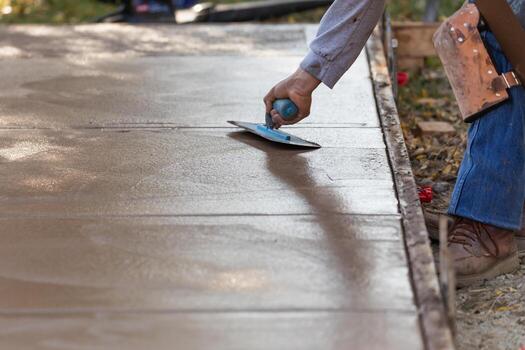
One of the most appealing things about a concrete patio is how little it demands of you. Compared to a wood deck that needs annual sealing, pavers that need periodic re-leveling and joint refilling, or natural grass that needs constant attention, a well-poured concrete patio in Los Angeles is about as close to maintenance-free as outdoor surfaces get. But close to maintenance-free is not the same as maintenance-free. The homeowners who enjoy beautiful concrete patios in Los Angeles for thirty or forty years are the ones who understand what occasional attention looks like and provide it — without over-maintaining or investing in products and services the patio does not actually need.
This guide gives Los Angeles homeowners a clear, honest picture of what concrete patio maintenance actually requires, how often each task should be done, and what early signs of problems to watch for before they become expensive repairs.
How Los Angeles Conditions Affect Concrete Patio Maintenance
The Los Angeles climate creates specific concrete patio maintenance conditions that differ from other parts of the country. Understanding these conditions shapes everything about how you maintain your patio.
Intense UV ExposureLos Angeles receives more solar radiation than most major American cities. The intense, year-round UV exposure that comes with the climate accelerates the oxidation of concrete surfaces — gradually lightening and dulling the original finish color over time. For standard gray or broom-finished concrete, this weathering is subtle and often attractive — a natural silver-gray patina that most homeowners accept and many prefer. For stamped or colored concrete, UV exposure can fade the surface finish more noticeably over time, which is why appropriate sealant application is particularly important for decorative finishes.
Thermal CyclingLos Angeles temperatures fluctuate significantly between day and night — particularly in inland neighborhoods like Encino and parts of Beverly Hills during fall and winter. This thermal cycling causes concrete to expand and contract seasonally. Expansion joints cut into the slab during installation manage where this movement occurs, but over many years, this cycling can contribute to crack development at stress points. Monitoring the condition of existing cracks and addressing any new development early is part of responsible concrete patio maintenance.
Occasional Heavy Rain and FloodingWhile Los Angeles averages relatively low annual rainfall, winter storm events can deliver intense rainfall over short periods. The drainage performance of your concrete patio — how quickly and completely it moves water away from the home's foundation and toward appropriate drainage points — should be assessed after significant rain events. Puddling on the surface or drainage toward the home are signs that the grade is insufficient or that a drainage issue has developed.
Organic StainingLos Angeles backyards accumulate organic staining on concrete surfaces — from fallen leaves and plant debris, from bird activity, from outdoor cooking, and from the general biological activity that occurs on an outdoor surface used year-round. Regular cleaning prevents this staining from becoming permanent and keeps the surface looking its best.
Concrete Patio Maintenance Tasks and Frequency
Regular Sweeping and Debris RemovalThe simplest and most important routine maintenance task for a Los Angeles concrete patio is regular removal of organic debris — leaves, plant material, bird droppings, and any other biological material that lands on the surface. Organic debris left on concrete surfaces over time contributes to staining, promotes moss or algae growth in shaded areas, and can work into surface texture variations where it becomes harder to remove.
Sweeping or leaf blowing the patio surface whenever debris accumulates — which in a Los Angeles yard with trees may be weekly during fall leaf drop and less frequently during other seasons — keeps the surface clean and prevents staining from developing.
Periodic WashingA thorough wash of the concrete patio surface two to four times per year removes accumulated grime, dust, and light staining that sweeping does not address. A garden hose with a spray nozzle, a mop-style concrete scrubber, and a mild concrete cleaning solution handle most standard cleaning needs on a Los Angeles patio. For tougher staining, a pressure washer on a moderate setting — not a high-pressure direct blast that can etch concrete surfaces — provides more cleaning power without damaging the finish.
Avoid harsh chemicals or acidic cleaners on concrete patios. Muriatic acid, which is occasionally suggested for concrete cleaning, etches the surface and is entirely unnecessary for routine maintenance.
Sealant Application for Decorative FinishesStandard broom-finished or exposed aggregate concrete patios in Los Angeles do not strictly require sealing — the concrete is durable enough without it for most applications. Decorative concrete finishes — stamped, colored, or stained surfaces — benefit meaningfully from periodic sealant application because the sealant protects the surface color and texture from UV fading and surface abrasion.
For sealed decorative concrete patios in Los Angeles, reapplying an appropriate penetrating or topical sealant every two to five years maintains the appearance and protection of the finish. The specific sealant product and application frequency depends on the type of decorative finish, the level of sun exposure, and the amount of foot traffic the surface receives.
Crack Monitoring and Early RepairConcrete patios in Los Angeles develop cracks over time — this is a normal behavior of concrete rather than a sign of failure. Hairline cracks that do not grow are cosmetic and require no immediate intervention. Cracks that are widening, deepening, or accompanied by vertical displacement — one side higher than the other — require attention.
Small cracks can be filled with appropriate concrete crack filler products to prevent water infiltration and weed growth within the crack. Cracks that are growing or accompanied by displacement indicate a structural or drainage issue beneath the slab that should be evaluated by a professional.
Walking the concrete surface a few times per year and taking note of any new or changing cracks keeps you ahead of problems before they worsen.
Drainage Check After Rain EventsAfter significant winter rain events, walk your concrete patio and observe how water behaves. Water should drain completely from the surface within minutes of the rain stopping — directed away from the home toward the yard perimeter, a planting area, or a designated drainage outlet. Any area where water puddles and remains for extended periods indicates either insufficient slope at that location or a drainage obstruction that needs to be addressed.
What Not to Do to a Los Angeles Concrete Patio
Do not use deicing salts. This is relevant for Los Angeles homeowners in hillside areas where frost occasionally occurs. Deicing salts damage concrete surfaces severely and are entirely unnecessary in the Los Angeles climate given how rarely and briefly freezing temperatures occur.
Do not use harsh acidic cleaners. Muriatic acid and similar products etch and damage concrete surfaces that do not need this treatment for routine maintenance.
Do not ignore growing cracks. Small cracks that are monitored and sealed are manageable maintenance items. Growing cracks that are ignored become structural problems requiring costly slab repair or replacement.
Do not power wash at high pressure on decorative finishes. High-pressure direct blasting can strip sealant from decorative concrete and etch softer surface finishes. Use a moderate setting and wide fan pattern rather than a direct high-pressure stream.
When to Call a Professional
Call a professional landscape or concrete contractor in Los Angeles when cracks are growing, displacing vertically, or appearing in patterns that suggest foundation movement or drainage failure beneath the slab. When water is consistently draining toward the home's foundation after rain. When a large area of the concrete surface is delaminating, spalling, or showing surface deterioration beyond normal weathering. And when you are considering a significant resurfacing or overlay to restore the appearance of an aging decorative finish — professional application produces meaningfully better results than DIY attempts.
Stonewood Landscape: Concrete Patio Construction and Maintenance Guidance in Los Angeles
Stonewood Landscape builds concrete patios for homeowners throughout Los Angeles — including Culver City, Santa Monica, Beverly Hills, Encino, and Pacific Palisades — and provides guidance on maintaining them for the long term. As a family-owned landscape design and construction company with over 10 years of experience and more than 500 completed projects, Stonewood builds patios correctly from the beginning so that maintenance is genuinely minimal.

A well-built concrete patio in Los Angeles requires very little maintenance to look great for decades. Stonewood Landscape builds them to last.
Visit stonewoodlandscapeinc.com to request your free estimate and invest in a concrete patio that holds up beautifully for the long term.


