
Hardscaping in Los Angeles: The Complete Homeowner's Guide
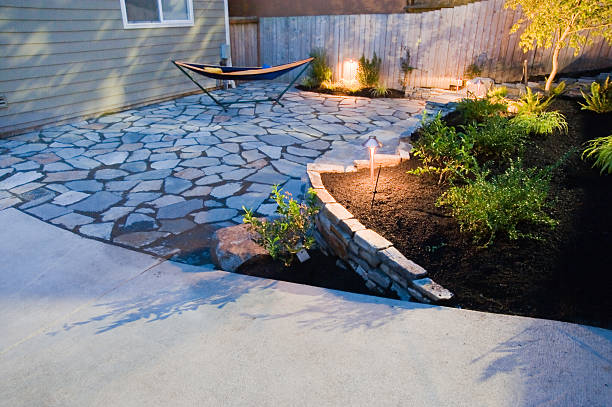
Walk through any beautifully designed Los Angeles backyard and you will notice the same thing: the structure, the layout, and the visual backbone of the space is almost always defined by the hardscape. The concrete patio that anchors the entertaining area. The walkway that connects the house to the garden. The retaining wall that transforms a sloped yard into usable, level outdoor space. The planter borders that give the landscape its edges and definition. Hardscaping is the foundation on which everything else in your outdoor space is built — and in a city like Los Angeles, where outdoor living is a year-round priority and design standards are high, getting the hardscaping right is what separates a great outdoor space from an average one.
This guide covers everything Los Angeles homeowners need to know about hardscaping — from what it is and which services are most in demand to design principles, material choices, costs, and what to look for in a hardscaping contractor.
What Is Hardscaping?
Hardscaping refers to all of the non-living, structural elements of a landscape — the hard surfaces, built structures, and constructed features that give an outdoor space its bones. Patios, walkways, driveways, retaining walls, planter walls, steps, edging, and concrete borders are all hardscape elements. In contrast, softscaping refers to the living components — plants, trees, turf, and soil.
The magic of a great Los Angeles outdoor space comes from the relationship between hardscape and softscape. The hardscape provides structure, usability, and permanence. The softscape provides life, color, texture, and seasonal interest. When these two elements are designed and built to work together, the result is a landscape that looks complete, feels purposeful, and performs beautifully over many years.
In Los Angeles, where water conservation requirements have reduced the proportion of softscape in many residential landscapes, hardscaping often carries a higher proportion of the visual and functional load than in other climates. This makes the quality of the hardscape design and construction even more critical here than in cities where lush planting can compensate for structural deficiencies.
The Most Popular Hardscaping Services in Los Angeles
Concrete PatiosThe concrete patio is the single most requested hardscaping service in Los Angeles. It creates the primary outdoor living surface — the durable, level foundation for dining, entertaining, lounging, and family use. Concrete patios in Los Angeles are finished in a range of textures and styles: broom-finished for a clean, practical surface; stamped concrete for a decorative appearance that mimics stone or tile; exposed aggregate for a natural, textured look; and colored or stained concrete for a customized aesthetic. A well-built concrete patio in Los Angeles lasts for decades with minimal maintenance.
Concrete Walkways and PathwaysA professionally designed concrete walkway improves both the function and the curb appeal of any Los Angeles property. Clean, properly proportioned walkways connect the front door to the street, the back door to the patio, and different zones of the outdoor space to each other. In front yards, a quality concrete walkway is one of the most impactful single hardscaping improvements available to Los Angeles homeowners. Well-designed walkways use consistent edge treatments, appropriate width for their intended traffic, and finish choices that complement the home's exterior.
Retaining WallsRetaining walls are essential hardscaping for any Los Angeles property with sloped terrain — which describes a significant number of homes in Pacific Palisades, parts of Encino, the Hollywood Hills, and other hillside neighborhoods throughout the city. A well-designed retaining wall does two things simultaneously: it provides the structural function of holding back soil and preventing erosion, and it creates the flat, usable outdoor space that the sloped grade would otherwise make impossible. Retaining walls in Los Angeles are built from a range of materials including concrete block, natural stone, poured concrete, and decorative masonry, each offering different aesthetic characteristics and cost profiles.
Planter Walls and Raised BedsCustom planter walls and raised planting beds are hardscaping features that add structure, dimension, and design sophistication to Los Angeles landscapes. They define the borders between hardscape and softscape zones, create visual layers and depth in the outdoor space, and provide the contained growing environment that many planting designs require. Planter walls in Los Angeles are typically built from concrete block, natural stone, or poured concrete, and can be finished in a range of textures and colors to complement the overall landscape design.
Concrete Steps and Level ChangesOn properties with multiple levels — front yards that are elevated above the street, backyards that step down from the house, or multi-level garden terraces — concrete steps create the safe, durable connections between different outdoor levels. Steps are both a functional hardscaping element and a visual feature of the landscape, and their design should reflect the overall aesthetic of the property.
Driveways and ApronsA driveway is one of the most visible hardscaping elements on any Los Angeles property. Upgrading from cracked or outdated asphalt or concrete to a freshly poured concrete driveway, a stamped concrete surface, or a paver installation creates an immediate curb appeal impact that sets the tone for the entire property. Driveway aprons — the transition between the driveway and the street — are another frequently updated hardscaping element that significantly affects first impressions.
Hardscaping Design Principles for Los Angeles
Create Visual Cohesion Between All Hard SurfacesThe most successful hardscaping in Los Angeles treats all of the hard surfaces on a property as a single, unified design problem — not as a collection of separate decisions. The concrete patio finish should relate to the walkway material. The retaining wall texture should complement the planter wall treatment. The driveway material should connect visually to the entry walkway. When hard surfaces are designed together, the result feels like a complete, intentional environment. When they are chosen independently without coordination, the property looks disconnected and unplanned.
Scale Hardscape Elements to the PropertyHardscaping elements need to be appropriately scaled to the property they occupy. A narrow concrete walkway on a generous lot looks inadequate and afterthought. An oversized patio on a compact urban lot leaves no room for softscape and overwhelms the space. Work with a landscape designer who understands how to proportion hardscape features correctly for the specific size and character of your Los Angeles property.
Address Drainage in Every Hardscaping DecisionEvery hardscape surface in Los Angeles must be designed to direct water away from the home's foundation and toward appropriate drainage points. Concrete patios, walkways, and driveways must all be graded correctly. Retaining walls must incorporate drainage channels or weep holes to relieve hydrostatic pressure. Planting bed borders must allow water to drain freely without pooling against the home's foundation. Drainage is not a detail in Los Angeles hardscaping — it is a foundational design requirement.
Choose Materials That Age Well in the LA ClimateLos Angeles subjects hardscaping materials to intense UV exposure, significant heat, occasional freezing temperatures in inland areas, and salt air in coastal neighborhoods like Santa Monica and Pacific Palisades. Choose materials that are known to perform well under these conditions and that improve in appearance with age rather than deteriorating quickly. Quality concrete, natural stone, and properly sealed decorative finishes all reward the initial investment with decades of reliable performance.
How Much Does Hardscaping Cost in Los Angeles?
Hardscaping costs in Los Angeles depend on the type of service, the materials selected, and the size and complexity of the project. General starting ranges for common hardscaping services include concrete patio installation at $12 to $20 per square foot for standard finishes and $18 to $35 per square foot for decorative options. Retaining wall construction typically starts at $25 to $50 per square foot of wall face depending on materials and structural requirements. Concrete walkways and steps range from $15 to $30 per square foot. Planter wall construction costs vary significantly based on height, length, and material choice.
For a full hardscape package — concrete patio, walkways, planter walls, and steps — Los Angeles homeowners commonly invest between $15,000 and $50,000 depending on scope and materials. The only accurate number for your specific project comes from an in-person site assessment and a written proposal.
Stonewood Landscape: Hardscaping Across Los Angeles
Stonewood Landscape designs and builds hardscaping for homeowners throughout Los Angeles, including Culver City, Santa Monica, Beverly Hills, Encino, and Pacific Palisades. As a family-owned landscape design and construction company with over 10 years of experience and more than 500 completed projects, Stonewood builds hardscape with the precision, quality materials, and honest process that Los Angeles homeowners deserve.

Great hardscaping is the foundation of a great outdoor space. Stonewood Landscape builds it right from the ground up.
Visit stonewoodlandscapeinc.com to request your free estimate and start your Los Angeles hardscaping project today.


